


A Complete Automated HDX-MS Workflow for Faster, More Reproducible Protein Insights

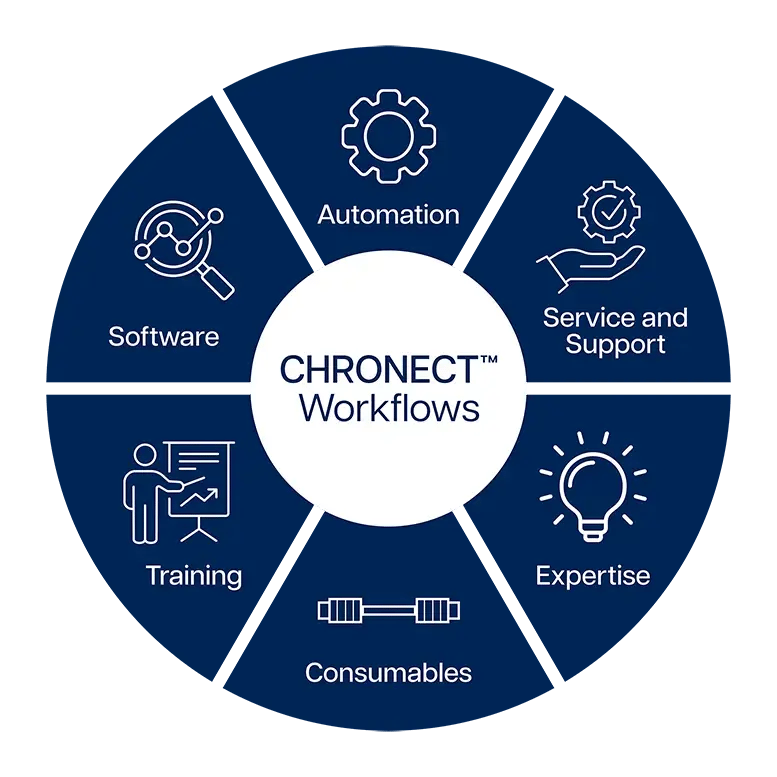
Reliable HDX-MS results require more than a single instrument. Precise sample handling, timing, temperature, chromatography, data analysis, and expert support must work together throughout the experiment. The CHRONECT HDX workflow integrates automation, smart scheduling, optimized consumables, analysis tools, training, and ongoing support into a single solution.
This helps laboratories boost reproducibility, reduce variability, and move efficiently from sample preparation to confident protein insights.
Expertise
Automation
Software
Consumables
Service & Support
Training
Hydrogen-Deuterium Exchange (HDX) is a well-established technique for investigating protein-ligand and protein-protein interactions, protein stability, and conformational changes. Achieving accurate and reproducible results requires precise timing, rigorous temperature control, and careful sample handling. The CHRONECT HDX Workstation automates the complete HDX workflow, supporting consistent process execution and enabling laboratories to obtain reliable structural insights with improved efficiency.
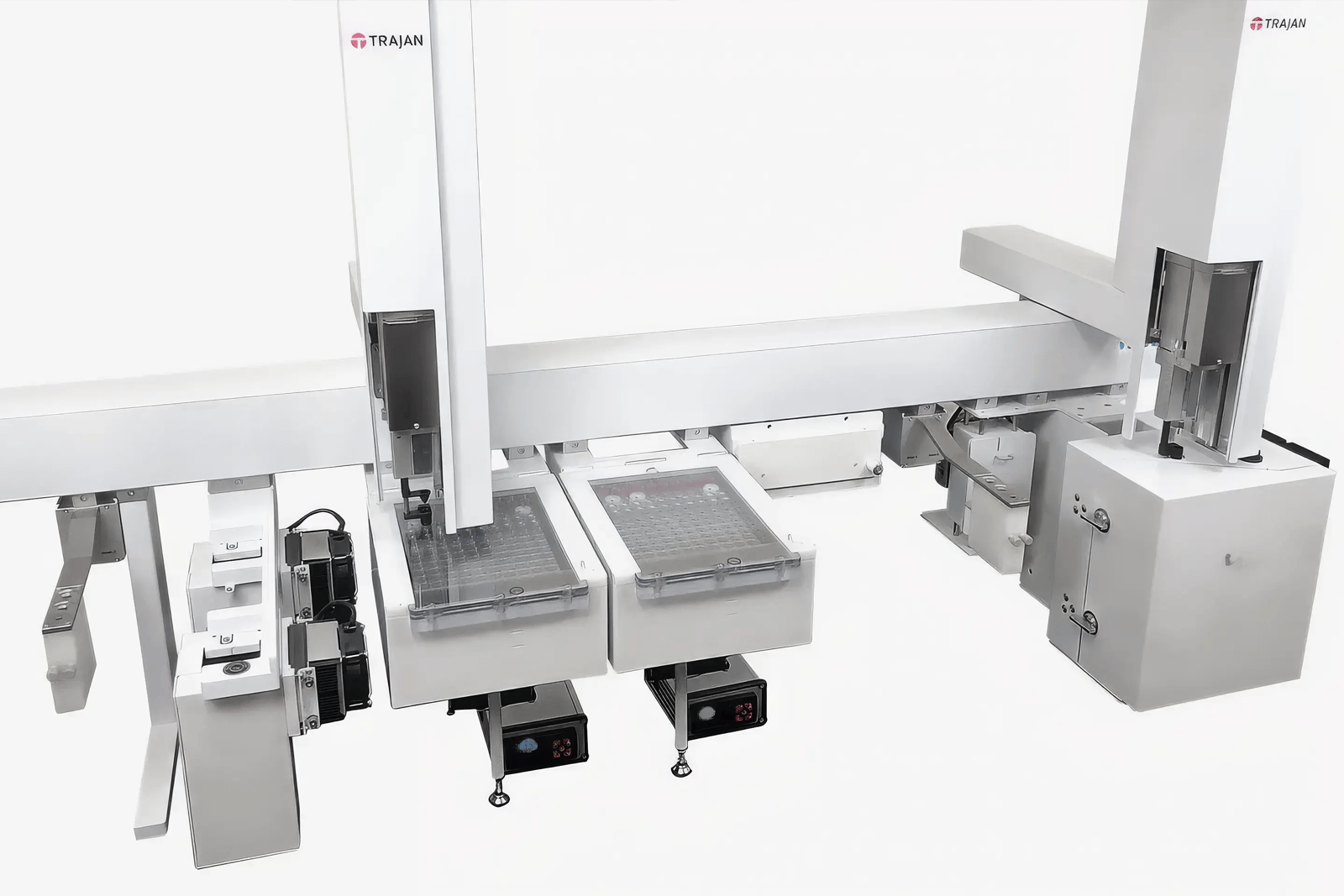
The CHRONECT HDX Workstation with CHRONOS
Application-driven automation supports the precise management of key HDX-MS variables such as timing, temperature, sample handling, and parallel processing.
By maintaining tight control over these parameters, laboratories can improve reproducibility, increase throughput, and maintain sample integrity as study requirements evolve.
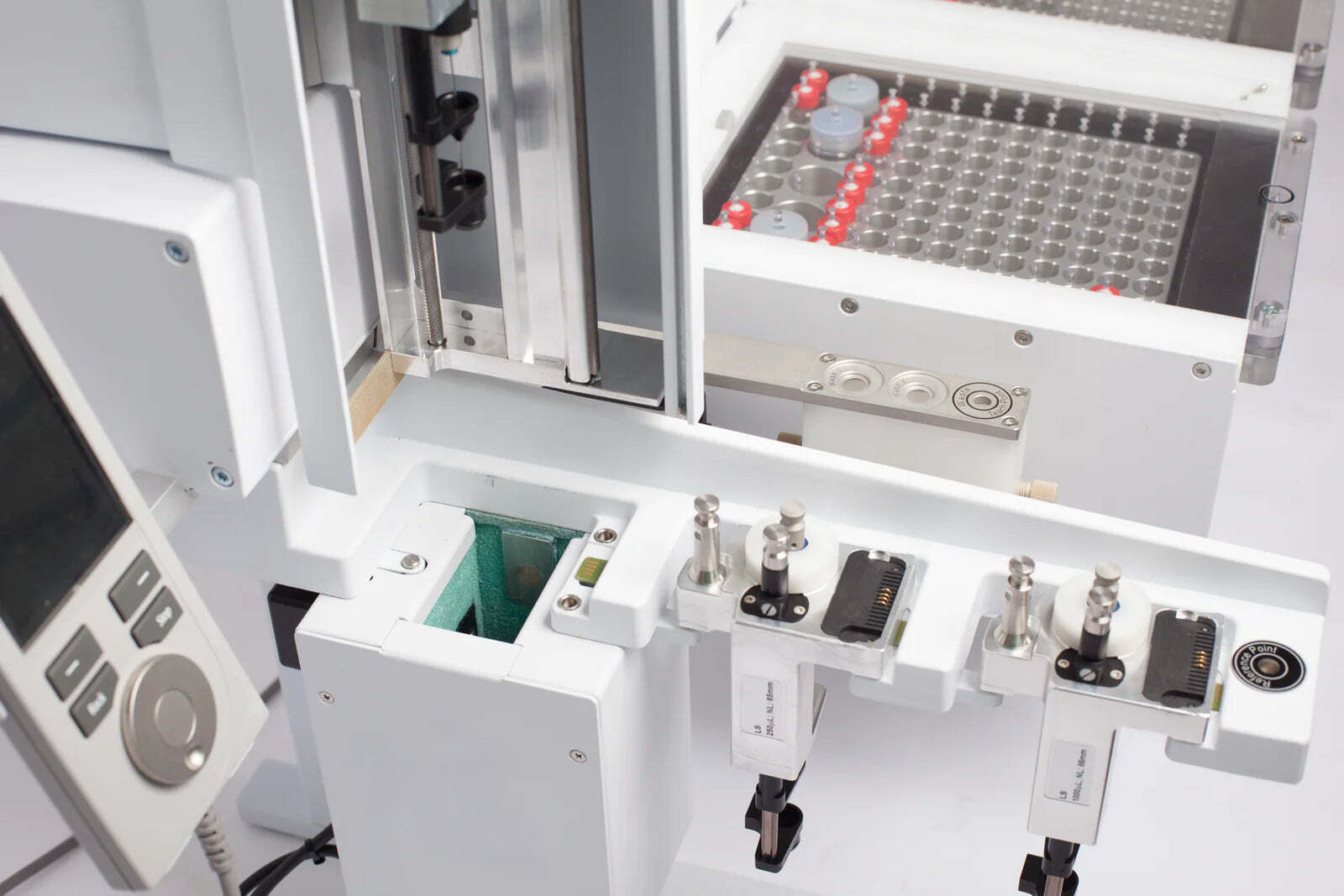
Flexible workstation configurations and integrated temperature control help you adapt workflows efficiently to changing experimental needs.

Capture rapid structural changes with exchange time points as short as 15 seconds, providing greater visibility into fast protein dynamics and conformational events.

Maintain tightly controlled low-temperature conditions throughout critical stages of the workflow to minimize back exchange and preserve sample integrity.

Parallel sample processing enables more replicates, proteins, and experimental conditions to be investigated while maintaining the timing and consistency required for reliable HDX-MS results.
Our built-in software CHRONOS, provides the centralized workflow control by coordinating sample and reagent handling, exchange timing, quenching, injection, valve switching, and LC/MS initiation. This integrated approach reduces manual intervention, ensures precise timing, and supports the standardization required for reproducible, multi-timepoint HDX-MS experiments.


Explore What Automated HDX-MS Makes Possible
Bring automation, analytical control, and workflow efficiency together in one complete HDX-MS solution designed to help laboratories generate reliable structural insights with greater consistency and less hands-on effort.
Adapt the workflow to the specific requirements of each study. Flexible workstation configurations accommodate varying throughput, sample types, and experimental complexity for bottom-up, middle-down, and top-down HDX-MS applications.
Process samples in parallel with precise coordination of timing and experimental conditions. Automation enables laboratories to expand the number of replicates, conditions, or proteins analyzed while minimizing variability from manual intervention.
Reliable HDX-MS results require consistently controlled conditions from exchange through analysis. Integrated cooling chambers, chilled syringes, controlled quenching, and optimized digestion parameters help limit back exchange and maintain each sample's structural integrity.
Automation standardizes critical workflow steps that are challenging to reproduce manually. Precise control of timing, temperature, sample handling, and process execution supports consistent results across replicates, experiments, and laboratory personnel.
Reduce manual coordination in complex HDX-MS studies. Automated workflows allow laboratory teams to focus on data interpretation, comparative analysis, and advancing protein characterization rather than managing individual process steps.
Turn Complex Data Into Confident Insights
The CHRONECT HDX Workflow delivers value beyond data acquisition by integrating HDExaminer PRO (HDX PRO) into the analytical workflow. HDX PRO automates the transformation of complex HDX-MS datasets into reliable structural insights, reducing manual intervention and supporting consistent, reproducible analysis.
For applications such as protein conformation studies, biosimilarity assessment, ligand binding evaluation, and therapeutic candidate characterization, laboratories can streamline data processing, comparison, and visualization. This approach helps teams focus on advancing research objectives while maintaining analytical rigor and efficiency.

Automated processing addresses a key bottleneck in HDX-MS analysis by enabling large datasets to be processed in as little as 2 to 5 minutes per data file. With support for up to 1,000 peptides, laboratories can accelerate result delivery and maintain project momentum without compromising quality.
DIA-verified peptides, redundant measurements, and intelligent processing workflows improve consistency while reducing manual interpretation. Compare proteins, conditions, timepoints, and replicates within a single project to uncover meaningful structural differences with greater confidence.
Learn how automated processing, advanced visualization, comparative analysis, and scalable project management can help laboratories maximize the value and reliability of each HDX-MS experiment.
More throughput. More uptime. More capacity.
Introducing...CHRONECT HDX LC Columns! Purpose-built for chilled HDX-MS conditions, delivering up to 40% lower backpressure while maintaining robust chromatographic performance.
The resulting pressure headroom gives laboratories greater freedom to optimize method conditions enabling research, core, and commercial laboratories to complete more samples, reduce avoidable interruptions, make better use of staff and instruments, and generate more data to support scientific progress.
Where system performance permits, higher flow rates during selected gradient phases can help shorten LC runtime. That recovered capacity can be used to accommodate additional samples, timepoints, or replicates within the laboratory’s available operating window.
Discover how CHRONECT HDX LC Columns can reduce pressure constraints, increase method flexibility, and help laboratories make more effective use of LC-MS capacity.

Protect Performance to Preserve Scientific Confidence
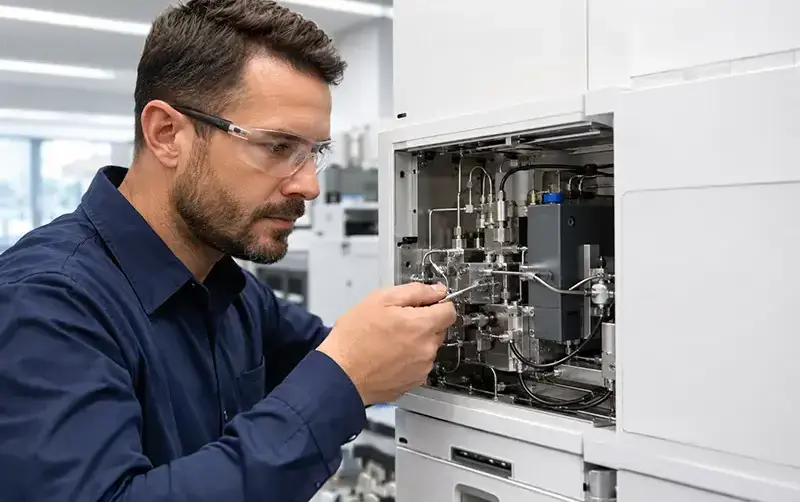
Consistent, reliable performance is essential for HDX workflows. CHRONECT HDX service and support plans maximize uptime, ensure dependable operation, and enable fast recovery to keep labs running.
Offering comprehensive lifecycle support and flexible service options that let labs choose the right coverage to streamline operations and reduce instrument management demands.
Choose the level of service that fits your operation, from preventive maintenance to comprehensive or on-demand support, helping align coverage with uptime needs, resources, and priorities.
Support covers instrumentation, technical guidance, application expertise, operator assistance, and training—helping labs address challenges and keep workflows consistent.

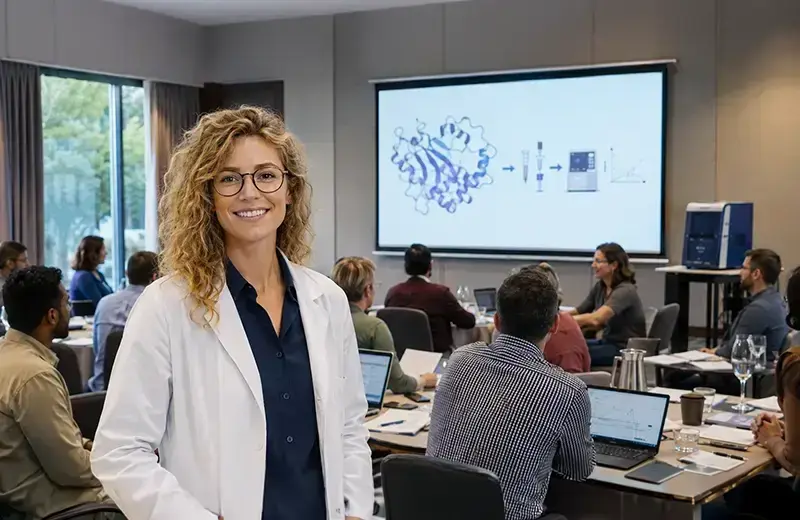
CHRONECT Academy helps teams get up and running faster with practical training in HDX workflow operation, optimization, and advanced applications.
Led by Trajan's HDX experts, training can support everything from experimental design and method development to automation and analysis best practices helping labs achieve reproducible results with confidence.
Get More From Your HDX Workflow! Talk to an Expert Today.
Call: (USA) +1 919-929-8814 | (EUR) +49 2339 12 09 59 Email: automation@trajanscimed.com

HDX-MS workflows require more than robust instrumentation. Laboratories depend on precise automation, coordinated scheduling, temperature-controlled chromatography, advanced data analysis, and expert training and support to achieve reproducible and reliable results.
CHRONECT workflows integrate these essential components to address the practical challenges HDX laboratories encounter from experimental setup to data interpretation.